

The Connection Between Screen Time and Dry Eye Symptoms
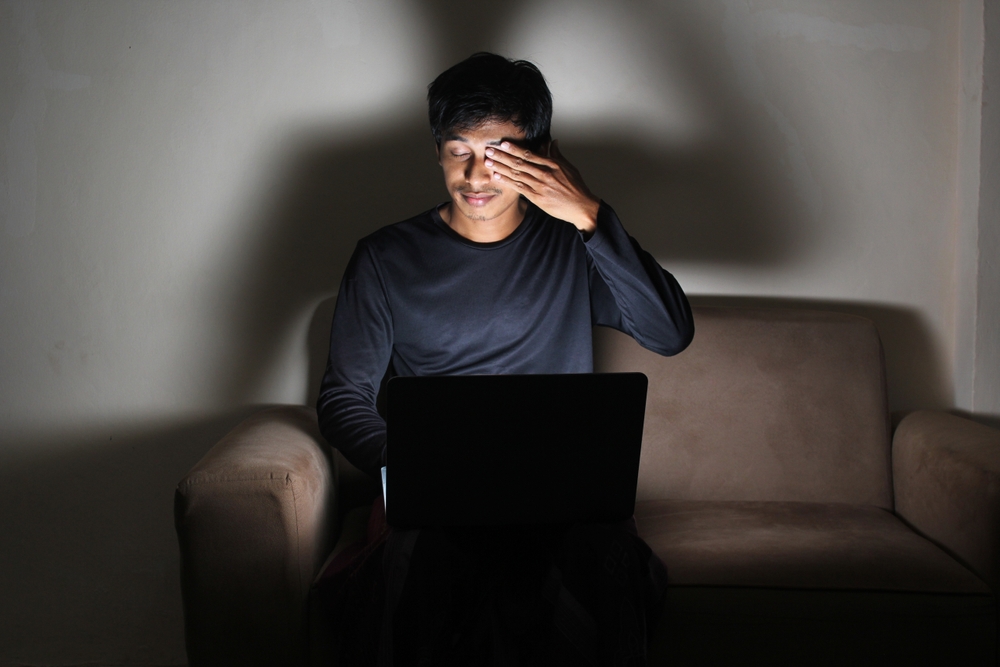
When you look at a screen, you blink less. Blinking keeps your eyes moist. Each blink spreads a fresh layer of tears across the surface. Debris gets washed away. Your eyes stay comfortable.
When you focus on a screen, you blink much less than usual. Away from screens, most people blink fifteen to twenty times a minute. But when you are focused on a screen, that drops to just five or seven. Sometimes, your blinks are incomplete, so your eyelids do not fully close, and your tears do not fully cover your eyes.
Over time, this can cause dry spots to form on your eyes. You might feel irritation or like something is stuck in your eye, which are early signs of dry eye.
The more time you spend on screens, the more likely you are to get dry eyes. Office workers who use screens for more than four hours a day are at higher risk, and those who use them for more than eight hours are at even greater risk.
This is true for kids as well. School-age children who spend more time on smartphones and tablets are more likely to get dry eyes than those who use them less.
Why Screens Make It Worse
But blinking is not the only reason. Other factors can also make dry eyes worse.
- Screen Position
If your screen is too high, your eyes open wider and tears evaporate faster. Try tilting your screen downward to help protect your eyes.
- Room Conditions
Air conditioning, fans, and low humidity all speed up tear evaporation. Many offices and homes have dry air. This makes screen-related dryness worse.
- Cognitive Focus
The more focused you are, the less you blink. Activities like reading, gaming, or working on something challenging can make you forget to blink for long periods.
How Screen Time Affects the Tear Film
Studies show that screen use changes your eyes. Tear breakup time, or how long tears stay on your eye before evaporating, gets shorter after just twenty minutes of screen time. The tear film’s oily layer may thin or become unstable with screen use.
Over months and years, this repeated stress may contribute to more lasting changes. Your tear film and oil glands can be affected.
Who Is Most at Risk?
Some people are more likely to develop dry eyes from screen use than others. If you already have dry eyes, you might notice symptoms sooner and more strongly. People who wear contact lenses, are over fifty, are women experiencing hormonal changes, or have certain autoimmune conditions are often at higher risk.
Even people with healthy eyes can experience symptoms after prolonged screen time.
What You Can Do About It
You do not have to give up screens to protect your eyes.
- Blink on Purpose
Challenge yourself to blink fully and often. You can set a timer to remind you.
- Follow the 20-20-20 Rule
Give your eyes a quick break every twenty minutes by looking at something twenty feet away for twenty seconds. This simple pause helps break up screen time and encourages you to blink naturally.
- Adjust Your Screen Position
Keep your screen just below eye level so you look down instead of up. This reduces the amount of air your eyes are exposed to.
- Use a Humidifier
If the air in your workspace or home is dry, a small desktop humidifier can add moisture and help slow down tear evaporation.
- Take Real Breaks
Step away from the screen. Walk, get water, or close your eyes for a minute. Your eyes need real rest.
- Consider Artificial Tears
If your eyes stay dry, try preservative-free artificial tears. Use them preventively, not just after symptoms start.
- Get an Eye Exam
If your symptoms do not go away, see an eye doctor. They can help figure out what is happening and find the best solutions for you.
Want to learn more about screen time and dry eyes? Stop by Visionary Eye Center in Rapid City, South Dakota, or call us at (605) 674-6500 to book your visit!



Office Hours
Monday-Thursday
8:00am - 5:00pm
Friday
8:00am - 12:00pm
Saturday
By Appointment Only
Sunday
Closed
Accessibility Statement - Privacy Policy - Sitemap
© 2025 Visionary Eye Center. All Rights Reserved.
