

Common Eye Diseases Detected During Medical Ocular Evaluations
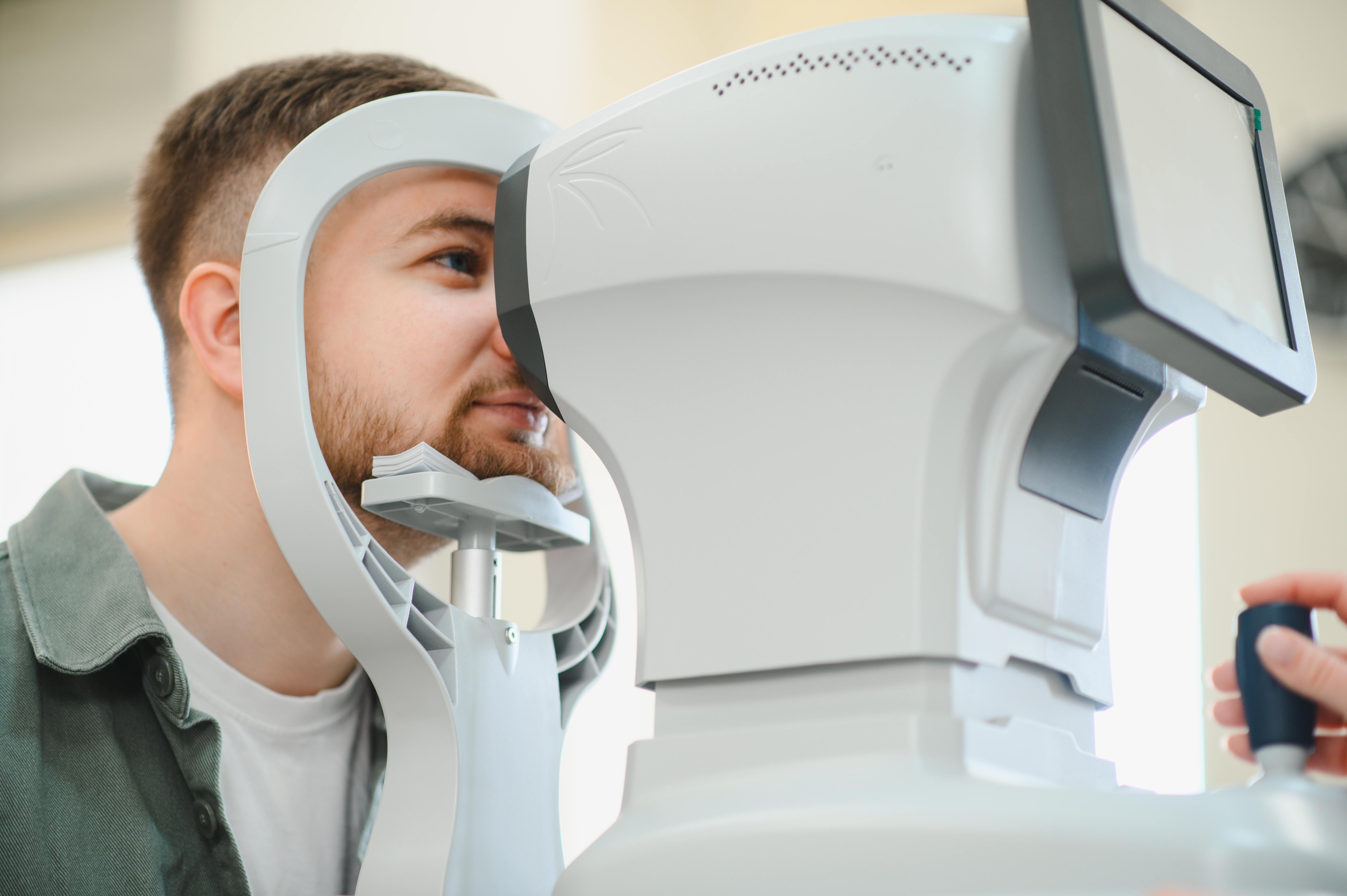
Your eyes can change long before you notice symptoms. Blurry vision, eye pain, floaters, redness, or light sensitivity can all be warning signs, but many eye diseases begin quietly. For patients in Rapid City, a medical ocular evaluation at Visionary Eye Center can help detect, monitor, and manage eye health concerns before they interfere with daily vision.
What Is A Medical Ocular Evaluation?
A medical ocular evaluation is a detailed eye health exam focused on diagnosing and managing medical eye conditions. Unlike a basic vision screening, this type of evaluation looks closely at the structures of the eye, including the retina, optic nerve, cornea, lens, eyelids, and ocular surface.
At Visionary Eye Center in Rapid City, medical eye care can be especially helpful for patients with chronic health conditions, sudden vision changes, eye discomfort, or a family history of eye disease. The goal is to understand what is causing symptoms and create a plan to protect long-term vision.
Glaucoma
Glaucoma is a serious eye disease that can damage the optic nerve, often because of pressure inside the eye. In many cases, glaucoma develops slowly and does not cause noticeable symptoms at first. By the time vision loss becomes obvious, the condition may already be more advanced.
A medical ocular evaluation can include eye pressure testing, optic nerve evaluation, and additional testing when needed. For Rapid City patients, early detection is important because glaucoma-related vision loss is usually permanent, but treatment can help slow progression.
Diabetic Eye Disease
Diabetes can affect the tiny blood vessels in the retina, leading to diabetic retinopathy or diabetic macular edema. These conditions may not cause symptoms in the early stages, which is why yearly diabetic eye exams are so important.
During a medical ocular evaluation, your eye doctor looks for signs of leaking, bleeding, swelling, or changes in the retinal blood vessels. If diabetic eye disease is detected, your optometrist can help coordinate monitoring, treatment recommendations, or referral when appropriate.
Macular Degeneration
Macular degeneration affects the macula, the part of the retina responsible for sharp central vision. This can make it harder to read, recognize faces, drive, or see fine details. It is more common with age, but risk factors can vary from person to person.
Patients in Rapid City may not notice early macular changes right away. A medical ocular evaluation can help identify signs of macular degeneration and track whether changes are stable or progressing.
Cataracts
Cataracts occur when the natural lens inside the eye becomes cloudy. They can cause blurry vision, glare, faded colors, difficulty driving at night, or frequent prescription changes. Cataracts often develop gradually, so patients may not realize how much their vision has changed.
An eye doctor can evaluate the lens and determine whether cataracts are mild, moderate, or advanced. If cataracts begin affecting daily life, your doctor can discuss treatment options and surgical referral when needed.
Other Conditions A Medical Eye Exam May Detect
Medical ocular evaluations can also help identify a range of eye health concerns, including:
- Dry eye disease and ocular surface inflammation
- Retinal tears, holes, or thinning
- Eye infections or inflammation
- Corneal conditions or injuries
- Sudden vision loss or unexplained visual changes
- Optic nerve concerns
- Floaters, flashes, or other retinal warning signs
These symptoms should not be ignored, especially if they appear suddenly or affect one eye more than the other.
Why Early Detection Matters
Many eye diseases are easier to manage when they are found early. A medical ocular evaluation gives your eye doctor a clearer picture of your eye health and helps determine whether you need treatment, monitoring, imaging, medication, or referral to a specialist.
For Rapid City patients, these exams are also important because eye health can be connected to overall health. Conditions such as diabetes, high blood pressure, autoimmune disease, and inflammatory conditions may affect the eyes in different ways.
When To Schedule A Medical Ocular Evaluation
You should schedule a medical ocular evaluation if you notice sudden vision changes, eye pain, redness, flashes, floaters, light sensitivity, distorted vision, or ongoing discomfort. You may also need regular monitoring if you have diabetes, glaucoma risk, macular degeneration risk, or a history of eye disease.
Schedule your medical ocular evaluation with Visionary Eye Center at 710 Saint Anne St, Rapid City, SD 57701. Call (605) 674-6500 to book your appointment.


Office Hours
Monday-Thursday
8:00am - 5:00pm
Friday
8:00am - 12:00pm
Saturday
By Appointment Only
Sunday
Closed
Accessibility Statement - Privacy Policy - Sitemap
© 2025 Visionary Eye Center. All Rights Reserved.
